

Choosing the Right Plant Label Printer: Service Match
Start with your workflow, not just the hardware
A is only part of the solution when you need consistent identification across trays, pots, and nursery benches. Before comparing services, map how labels move through your operation. For example, decide whether labels plant label printer are printed in-house for same-day use or ordered and applied as a batch. When you understand the label lifecycle, you can judge which service model fits your workflow without creating bottlenecks.
Service comparisons should also consider how many people touch the label process. If multiple departments create product names, barcodes, and growing notes, the service should support clean data handling and repeatable formatting. Look for options that minimize manual retyping and reduce errors when changing cultivar names or lot details. The best match will align printing, proofing, and labeling steps to how your team already works.
Compare print management services: proofing, accuracy, and turnaround
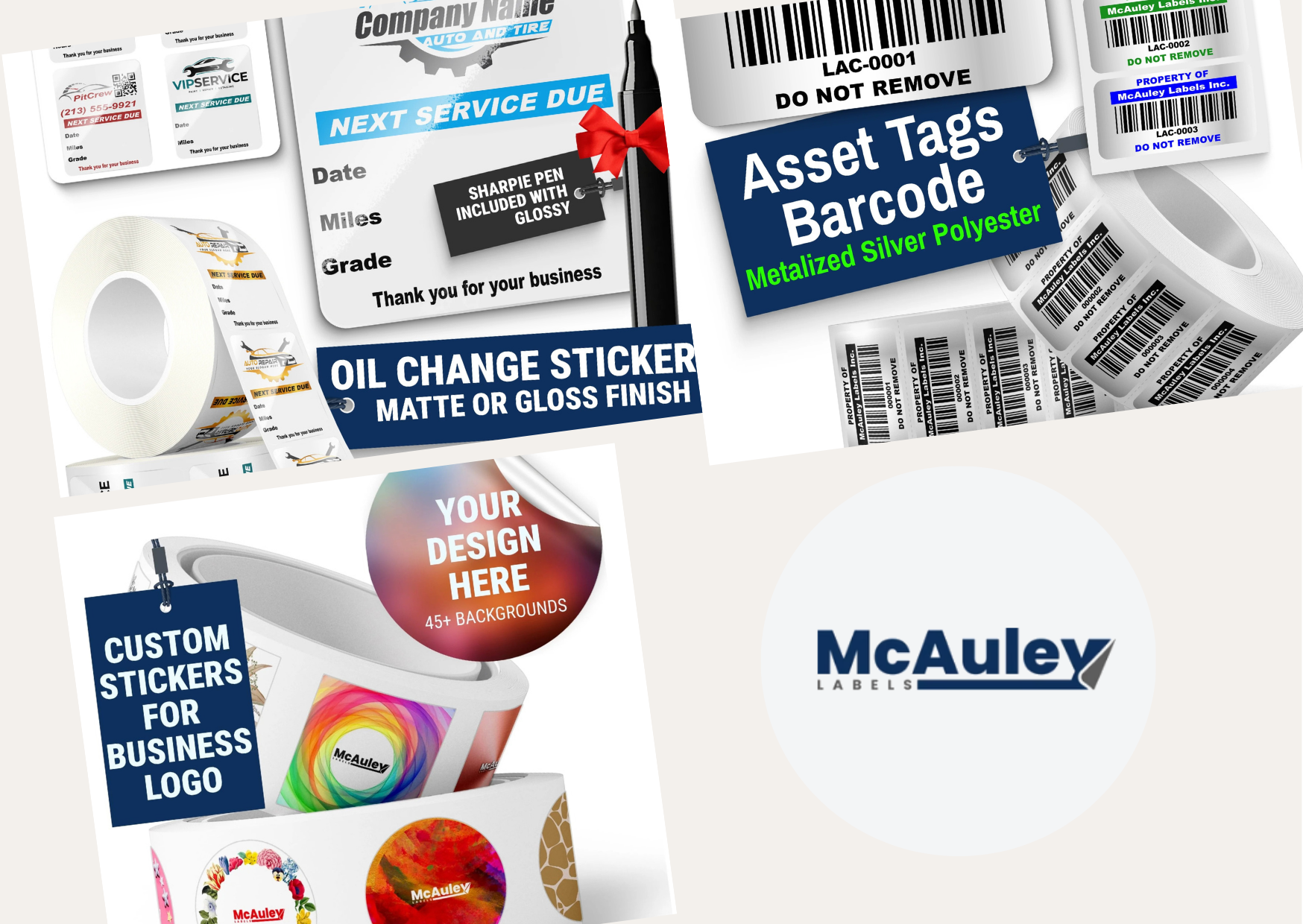
Some providers offer simple printing only, while others include print management services that cover file review and label proofing. Proofing matters when you print multiple SKUs, run seasonal assortment changes, or include compliance fields on the label. A strong service asset tag label printer comparison will show how proofs are delivered, how edits are handled, and what the approval process looks like. This reduces the risk of misaligned barcodes, truncated plant names, or inconsistent numbering across batches.
Turnaround expectations are part of service quality, but you should evaluate the system behind the timing. Ask whether the provider has standard label templates, how they handle urgent reprints, and whether they offer version control for label designs. If you label multiple growing areas, you may need predictable batch outputs and reliable labeling runs. Choose the service approach that protects accuracy first, then scales smoothly as volume increases.
Finally, consider how the provider manages label materials and durability for different environments. Nursery operations can involve moisture, handling, and temperature changes that affect adhesion and readability. A service that suggests the right label stock and laminate options typically saves money by preventing peel-off and fading. Compare documented material performance instead of relying on broad promises, especially for outdoor display and retail shelf use.
Material and labeling options: durability, size, and mounting
When evaluating a plant labeling program, service details like label stock selection can matter as much as the printing method. Different plants and containers may require different label sizes, adhesive types, and printing contrast. Some operations prefer water-resistant labels for misted benches, while others need high-clarity labels for retail presentation. A thoughtful service provider helps you choose materials that match your conditions rather than forcing a one-size-fits-all solution.
Labeling also depends on how you mount labels for long-term visibility. You may use pot tags, stake-style labels, or wrap-around labels for trays and propagation flats. The service comparison should clarify which formats are supported and whether the provider can produce consistent placement across large runs. If you handle mixed inventory, you want label outputs that are readable from a distance without sacrificing fine details. This is where an “” style of service thinking can be useful, since asset-like tracking requires strong structure and consistency.
Ask about post-processing as well, such as cutting, alignment, and barcode verification. Services that include verification steps can reduce scanning failures at receiving, staging, or merchandising. For growers, consistent labeling supports accurate inventory control and reduces confusion during transplanting. For garden centers, it improves customer trust because names and care notes match what they see on the shelf.
Conclusion
Choosing the right labeling service means comparing how accuracy, materials, and operational support work together—not just comparing device specifications. A good service model aligns with your data workflow, proofing needs, and the real conditions where labels must stay legible. It also helps you avoid costly reprints by building in verification and clear approval steps before large batches go out.
For many growers and retail teams, partnering with a specialist is the simplest way to keep plant identification organized and presentation-ready. mcauleylabels.com supports professional labeling solutions for nurseries, garden centers, and horticultural businesses that need reliable identification across products and lots. When you compare services using those practical criteria, you can select a plant labeling approach that scales with your operation and keeps your inventory clearly identified from bench to shelf.